
Are Liveaboards Safe?
Last Updated March 2026
In general, liveaboards are very safe. At any given moment, hundreds of dive liveaboards around the world are in the middle of successful charters, operating smoothly and returning to port exactly as planned. Most professionally run liveaboards are well maintained and staffed by trained crews capable of responding effectively to emergency situations.
That said, recent media coverage of liveaboard incidents has understandably caused some divers to question safety standards within the industry. These concerns are valid. As divers, adventure and exploration are part of who we are—but that never means accepting unnecessary risk.

The reality is simple: not all liveaboards or operators are created equal. Safety depends on vessel design, onboard systems, crew training, maintenance practices, and a culture that prioritizes prevention over reaction. Choosing the right operator—one that puts passenger safety first—is essential.
This page explains how safety is approached aboard All Star Scuba Scene, and why she is considered one of the safest liveaboards operating in the Red Sea.
Why Choosing the Right Liveaboard Operator Matters
Many of the most serious liveaboard incidents worldwide have shared common contributing factors: aging vessels, outdated fire detection systems, limited escape routes, poor night-time monitoring, and insufficient emergency procedures.
A safe liveaboard operation is not defined by a single piece of equipment. It is the result of thoughtful vessel design, modern safety systems, clear procedures, regular maintenance, and an experienced crew that actively monitors risk at all times.
All Star Scuba Scene was designed and launched with these principles in mind.
Vessel Design, Cabin Layout & Emergency Escape Routes
All Star Scuba Scene is a new-build liveaboard, launched in April 2023 and designed from the outset with passenger safety as a priority. Rather than retrofitting modern systems into an aging vessel, safety considerations were integrated into the layout, construction, and onboard systems from day one.
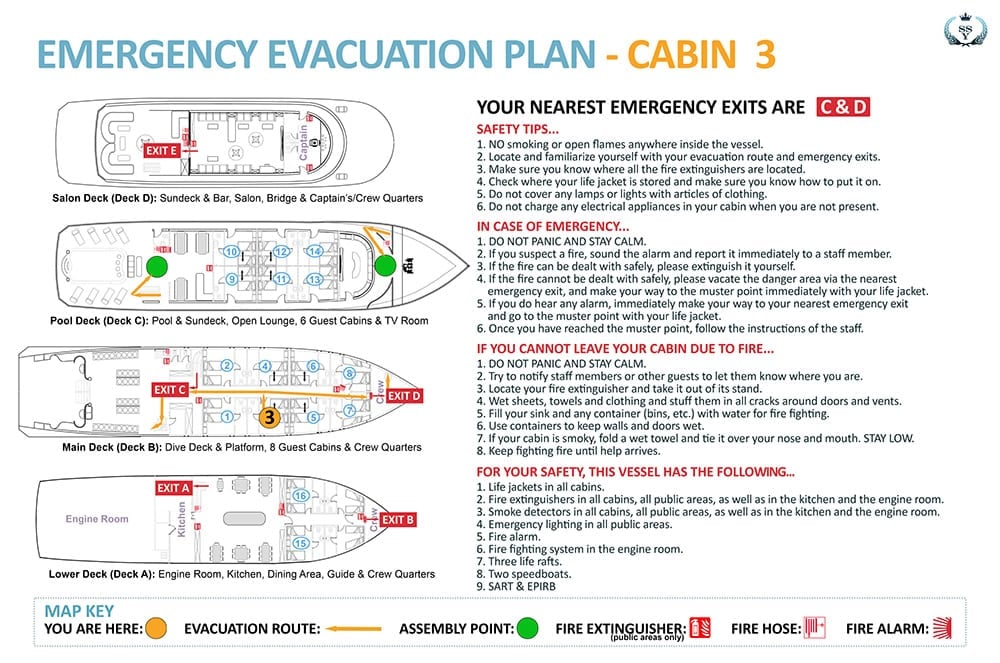
The vessel features a steel hull and a modern deck plan that prioritizes accessibility, visibility, and rapid response in emergency situations. One of the most important design decisions concerns cabin placement, an area of increasing focus within the liveaboard industry.
In response to widely reported incidents that occurred while guests were sleeping below deck, All Star Scuba Scene was designed with all guest cabins located on the main deck or above. There are no cabins below the waterline and no cabins adjacent to the engine room, reducing both fire exposure and noise while improving evacuation options.
Key design and safety features include:
- Steel hull construction
- All guest cabins on the main deck or above
- No guest cabins below the waterline
- Cabins positioned away from the engine room
- CO2 Fire Suppression System in the engine room
- Multiple emergency escape routes from accommodation areas
- Emergency lighting that activates automatically in the event of power loss
- Annual dry dock and preventative maintenance schedule
- Seaworthiness certification issued by the ECNA
This layout allows for faster, more intuitive evacuation, improved crew access, and clearer emergency pathways compared to traditional below-deck cabin configurations found on older liveaboards. The result is a vessel that enhances both comfort and safety without compromise.
Fire Detection, Prevention & Suppression Systems
Fire safety is one of the most critical aspects of any liveaboard operation. All Star Scuba Scene is equipped with a layered fire safety system designed for early detection, rapid response, and effective suppression.
Fire Detection & Monitoring
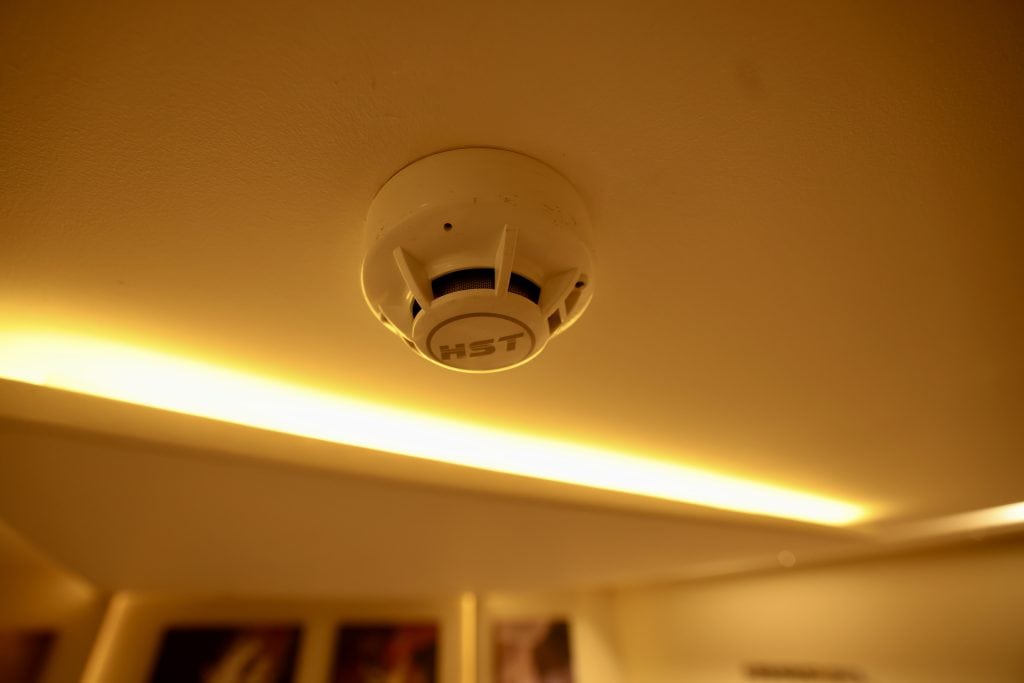
- Interconnected smoke detectors throughout the vessel
- Centralized alarm panel located on the bridge
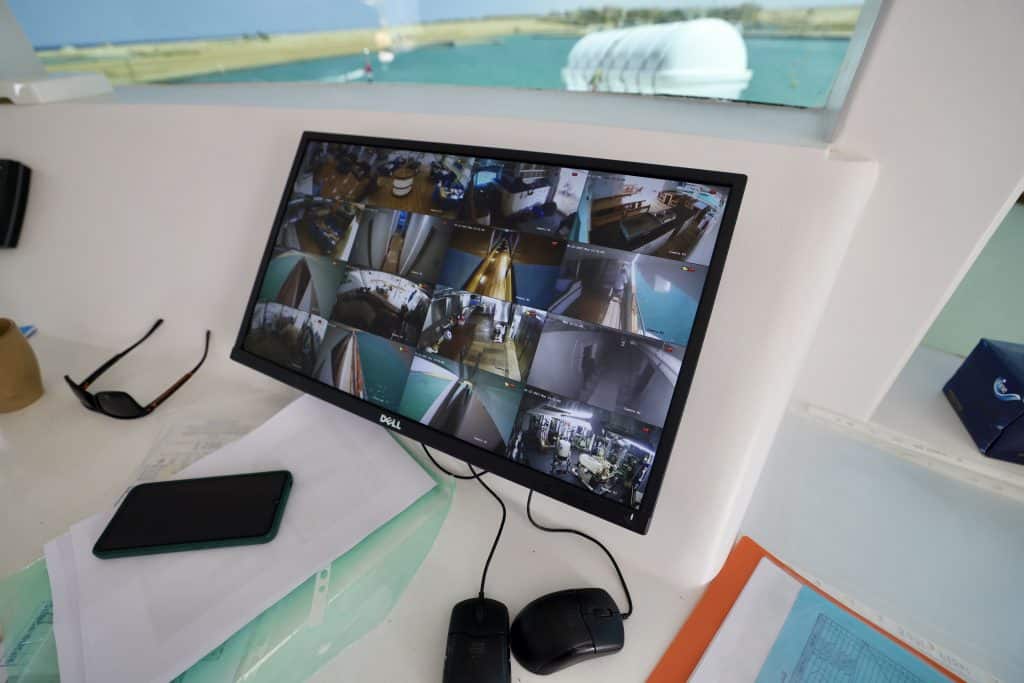
- CCTV coverage in public areas including decks, restaurant, and dive deck
- Continuous monitoring by the bridge team
Early detection allows the crew to respond immediately—often before a situation escalates.
Fire Suppression & Equipment
- CO₂ fire suppression system in the engine room
- Fire extinguishers located throughout all decks
- Dedicated fire pump
- Fire hoses capable of reaching all areas of the vessel
- All-metal galley to reduce ignition risk
These systems provide redundancy and ensure the crew can respond effectively even in challenging conditions.
Night-Time Monitoring & Operational Safety
Many onboard incidents occur at night, when passengers are asleep and visibility is reduced. All Star Scuba Scene maintains strict night-time safety protocols, including:
- Roaming night watch
- Continuous bridge monitoring
- Interconnected alarm systems
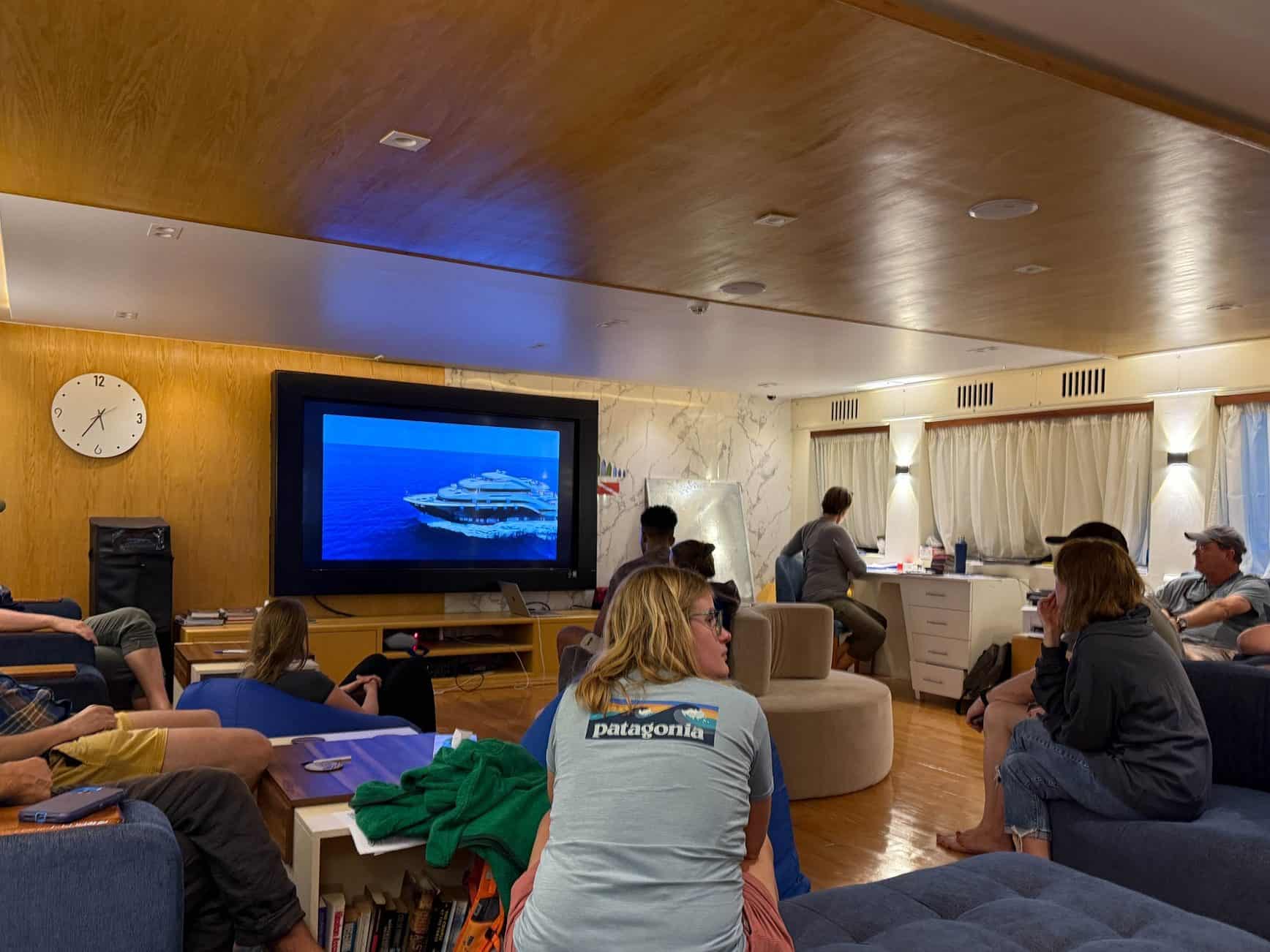
- Clear crew communication procedures
The emphasis is always on early intervention, allowing potential issues to be addressed quickly and calmly.
Navigation, Communication & Emergency Signaling
Safe operations depend on reliable navigation and the ability to communicate clearly with shore authorities and rescue services if needed.
All Star Scuba Scene is operated by licensed captains and engineers and equipped with:
- VHF radio communication
- Satellite phone for offshore connectivity
- EPIRB (Emergency Position-Indicating Radio Beacon)
- Bilge alarms
- Redundant navigation systems
These systems ensure the vessel remains in constant communication and can be accurately located in any emergency scenario.
Diver Safety & Tracking Systems
Diver safety extends beyond the vessel itself. All Star Scuba Scene is equipped with modern systems designed to support safe dive operations and rapid response in the event of separation or injury.
- Emergency oxygen available onboard
- Zodiacs on standby for diver pickup
- ENOS diver locator system
- Clear lost-diver and recovery protocols
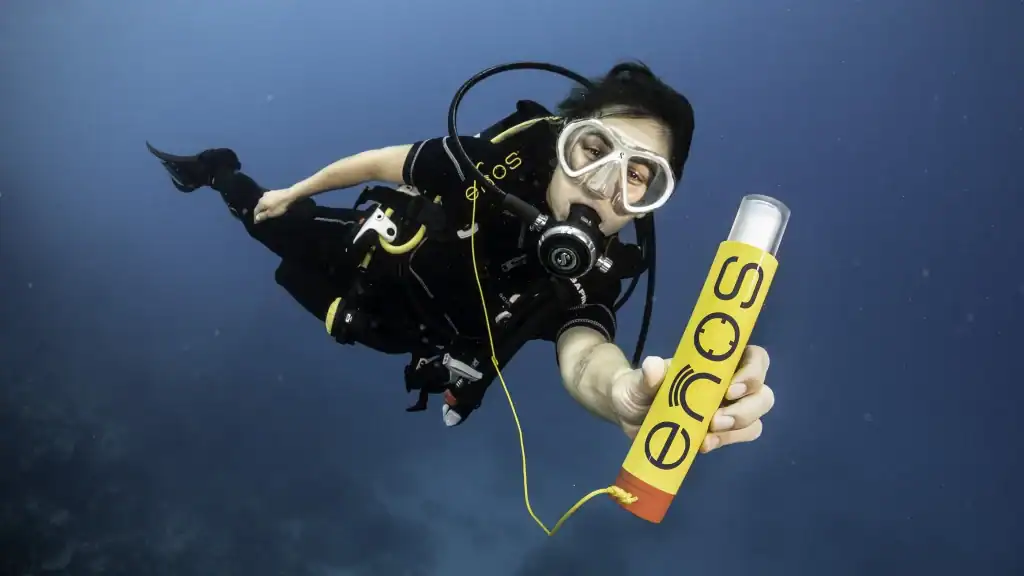
The ENOS system allows divers to transmit their exact position at the surface, enabling fast and precise recovery by the crew.
Experienced Crew & a Proactive Safety Culture
Equipment alone does not ensure safety—people do.
All Star Scuba Scene is led by cruise directors Ahmed Fadel and Elke Bojanowski, who together bring nearly 50 years of combined experience in liveaboard operations and dive travel. Their leadership emphasizes prevention, clear communication, and situational awareness at all times.
The crew conducts:
- Thorough safety briefings
- Clear emergency procedures
- Ongoing training and drills
- Proactive monitoring of onboard conditions
The goal is not simply to respond to emergencies, but to prevent them from occurring in the first place.
Maintenance, Certification & Compliance
A safe vessel must be actively maintained. All Star Scuba Scene undergoes:
- Annual dry dock inspections
- Preventative maintenance throughout the year
- Ongoing system checks
- Certification and seaworthiness approval from the ECNA
This commitment to maintenance ensures that safety systems remain fully operational and up to modern standards.
Dive With Confidence
Liveaboard diving should be about exploration, discovery, and unforgettable underwater experiences—not uncertainty or anxiety. From vessel design and fire safety systems to crew experience and diver tracking technology, safety is built into every aspect of operations aboard All Star Scuba Scene.
If you have questions about safety or would like to discuss any aspect of the vessel in more detail, we’re always happy to help. Contact us anytime to dive with confidence aboard All Star Scuba Scene.
Frequently Asked Questions About Safety on All Star Scuba Scene
Are liveaboards in the Red Sea safe?
Yes. Professionally operated Red Sea liveaboards are generally very safe when maintained properly and staffed by experienced crews. Safety depends on vessel design, modern equipment, crew training, and operational procedures. All Star Scuba Scene was designed as a modern liveaboard with safety integrated into every aspect of the vessel and its operations.
Are there any cabins below deck on All Star Scuba Scene
No. All guest cabins aboard All Star Scuba Scene are located on the main deck or above. There are no cabins below the waterline, improving accessibility, visibility, and emergency evacuation options.
How is fire safety handled onboard?
All Star Scuba Scene is equipped with interconnected smoke detectors, a centralized alarm panel on the bridge, CCTV monitoring of public areas, a CO₂ fire suppression system in the engine room, fire extinguishers throughout the vessel, a dedicated fire pump, and an all-metal galley designed to reduce fire risk.
What happens if a diver becomes separated from the group?
The vessel carries the ENOS diver locator system, which allows divers to transmit their exact surface position. Zodiacs are always on standby during dive operations, and clear recovery procedures are in place to ensure rapid response.
Is the crew trained to handle emergencies?
Yes. The vessel is operated by licensed captains and engineers and led by experienced cruise directors with decades of combined liveaboard experience. The crew conducts regular safety briefings, follows established emergency protocols, and maintains a proactive, prevention-first safety culture.
Is All Star Scuba Scene a new boat?
Yes. All Star Scuba Scene was launched in April 2023 and is a modern, purpose-built liveaboard that exceeds current Egyptian safety standards and undergoes annual dry dock inspections and ongoing preventative maintenance.