

The Egyptian Red Sea is one of the world’s top diving destinations, offering everything from legendary wrecks to shark encounters and pristine coral reefs. But with so many liveaboard itineraries—ranging from the Northern Red Sea to the Central Brothers–Daedalus–Elphinstone (BDE) route and all the way to the Deep South—it can be hard to know which trip is right for you.
This guide will help you choose the best Red Sea liveaboard itinerary for your diving preferences. We cover the top dive sites in each region, the best times to visit, and the marine life you’re likely to encounter—so you can make an informed choice.
The Northern Red Sea: Wrecks and Reefs
The Northern Red Sea is the most accessible region, with liveaboards typically departing from Hurghada. This area is a diver’s paradise, combining colorful reefs, thrilling wrecks, and diverse marine life.
Ras Mohammed National Park and the Strait of Tiran
Two of the North’s biggest highlights are Ras Mohammed National Park and the Strait of Tiran.
- Shark & Yolanda Reef is famous for its vibrant coral gardens, swirling schools of fish, and dramatic drop-offs. Also known for the Yolando wreck cargo that left toilets and sinks strewn across the seabed.
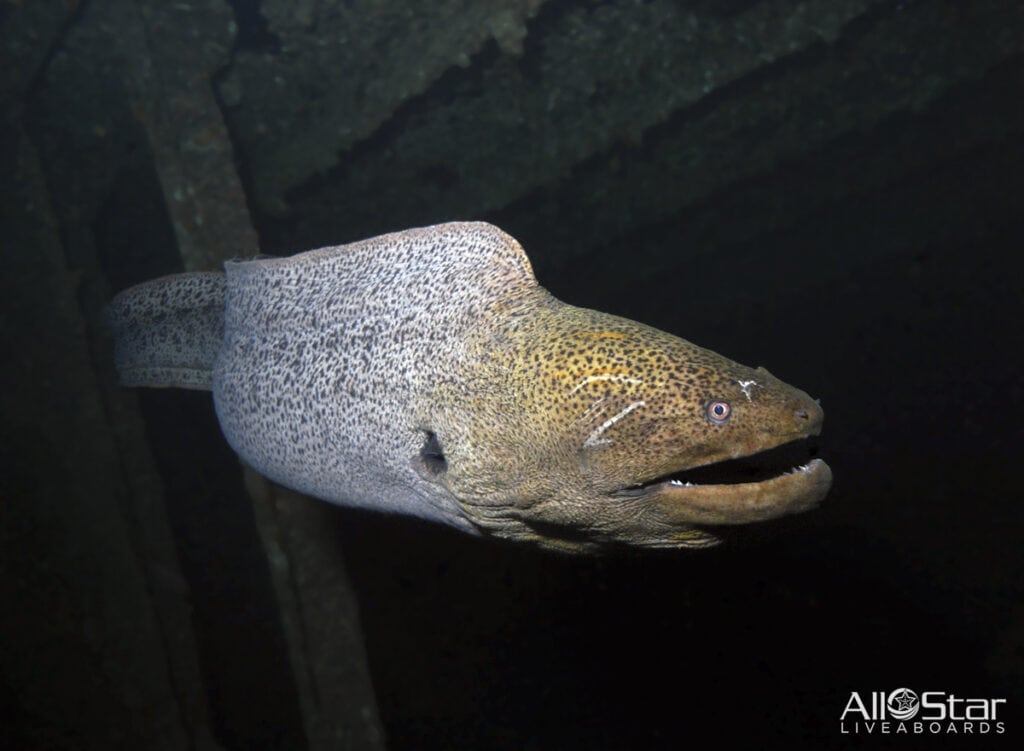
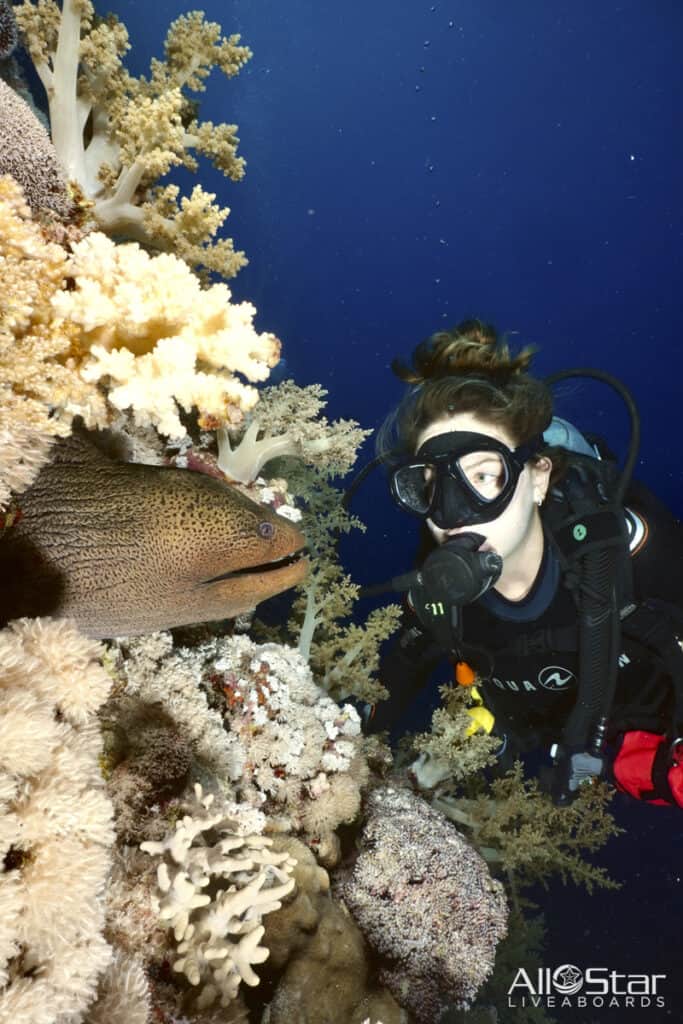
- Jackson Reef in the Strait of Tiran is a hotspot for schooling trevally, tuna, and giant moray eels.
Famous Wrecks of the North
The Northern Red Sea is world-renowned for wreck diving, and several sites stand out:
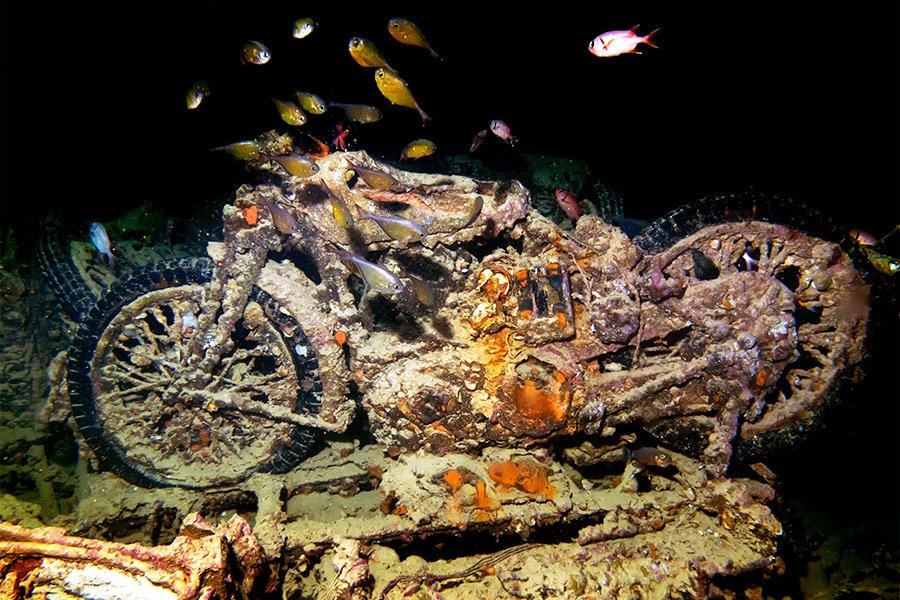
- SS Thistlegorm: This WWII supply ship, sunk in 1941, is one of the most famous wrecks in the world. Divers can explore its holds filled with motorbikes, trucks, and military supplies. The wreck is spectacular by day, and if conditions allow, it makes for an unforgettable night dive, with torchlight revealing lionfish, hunting jacks, and the eerie silhouette of the ship.
- Abu Nuhas: Known as the “Ship Graveyard,” this reef has claimed several vessels, including the Giannis D, the Carnatic, and the Chrisoula K. Each wreck offers a different type of exploration, from swim-throughs to coral-encrusted structures.
- The Barge: A smaller, shallow wreck that’s perfect for night dives and macro life.
- Salem Express: A tragic wreck with a somber history, serving as a memorial site as much as a dive.

Marine Life in the North
The North offers vibrant coral gardens, frequent encounters with dolphins, and plenty of reef fish. Macro lovers will find scorpionfish, nudibranchs, while pelagics are occasionally spotted in open water.
Northern Itineraries
- “Wrecks of the North” focuses on the iconic wrecks.
- “North” or “North & Tiran” combine wrecks with reef dives for a balanced itinerary.
- Most of these trips also include opportunities for night diving, making the North especially appealing for divers who enjoy a variety of dive styles.
- Trips depart from Hurghada
Central Red Sea: Brothers, Daedalus, and Elphinstone (BDE)
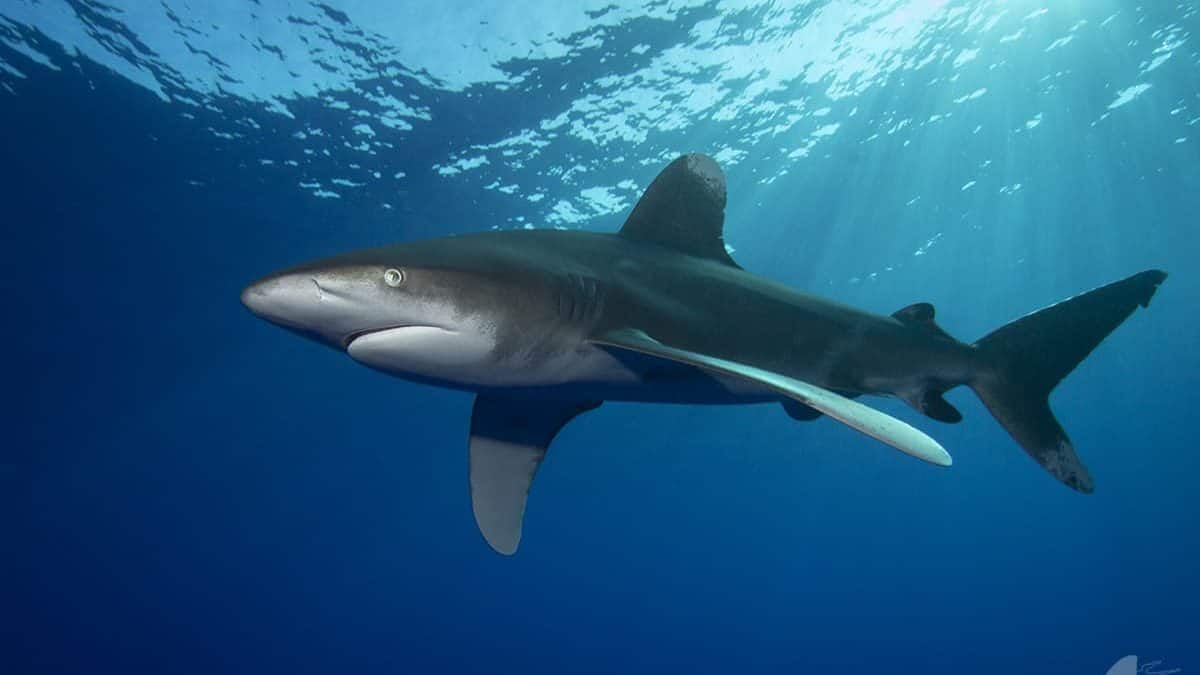
The Central Red Sea, also known as the BDE route(The Brothers, Daedalus, and Elphinstone). This is one of the Red Sea’s best liveaboard itineraries, especially during peak shark season. Highlights include the dramatic walls and pelagic encounters at the Brothers Islands, hammerheads at Daedalus Reef, and oceanic whitetip sharks at Brothers and Elphinstone Reef, making it a must-do for advanced divers.
The Brothers Islands (Big and Little Brother)
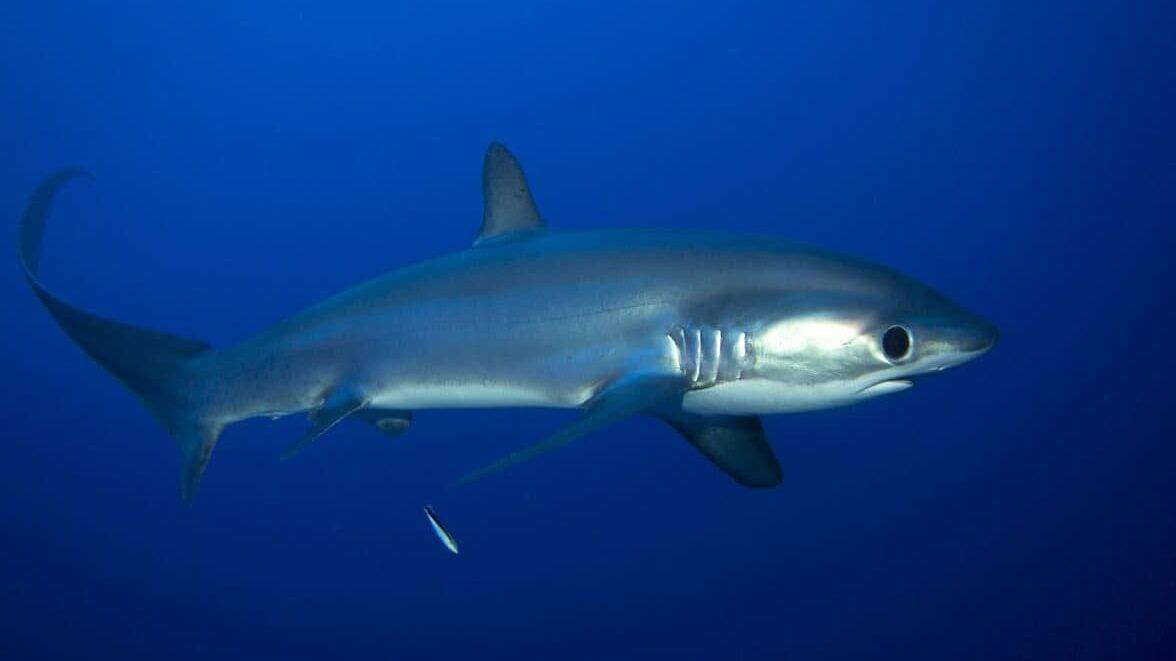
These two small islands rise from the deep and are surrounded by sheer walls covered in hard and soft corals. The marine life is equally impressive: expect schools of fusiliers, tuna, barracuda, oceanic whitetips, and thresher sharks.
Both islands are also home to wrecks:
- The Aida – A French supply vessel that sank in 1957.
- The Numidia – A cargo ship that rests dramatically along the reef, encrusted with coral.
Daedalus Reef
Located far offshore, Daedalus is famous for its schooling hammerheads and occasional manta ray sightings. Its large reef system requires multiple dives to fully explore—north, south, east, and west sides each offer unique experiences.
Elphinstone Reef
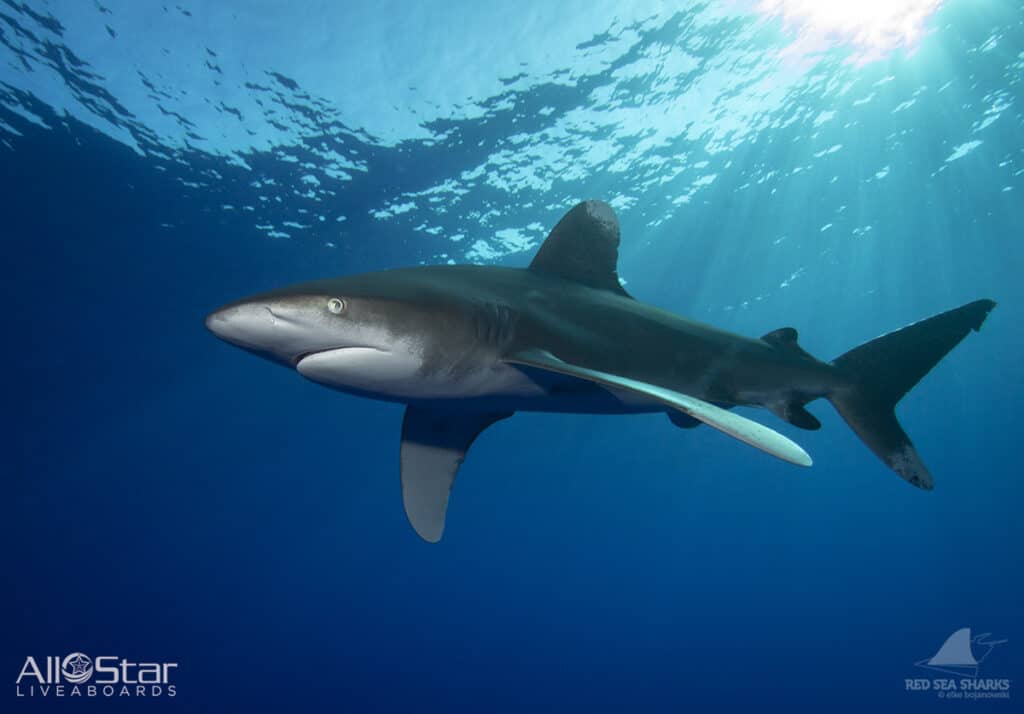
Elphinstone is a long, narrow reef known for its steep walls and shark encounters. In the autumn months, oceanic whitetip sharks are frequently seen cruising in the blue.
Best Time to Dive BDE
- October–December: Peak oceanic whitetip season.
- May–July: Best for hammerhead schools at Daedalus, sometimes 5–10 at a time.
What to Expect
- No night dives (offshore marine parks prohibit them).
- Deeper diving—sharks like threshers and hammerheads are often found at 100–130 ft (30–40m).
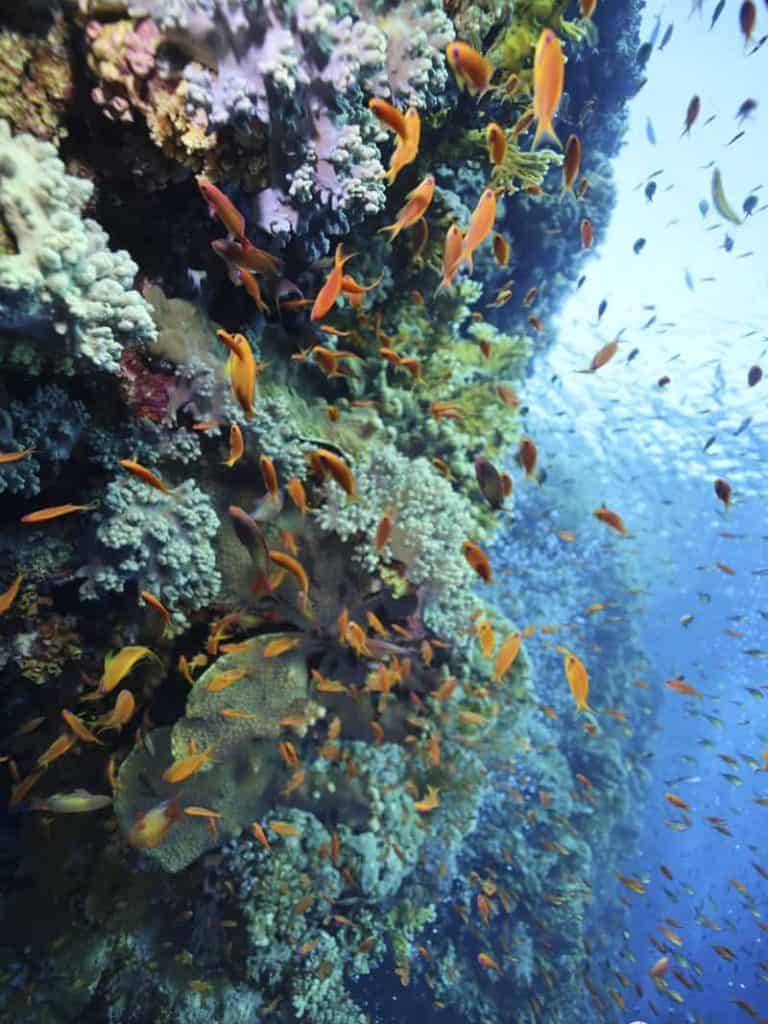
- Walls covered in coral, anemone gardens, and pelagic action in the blue.
The Deep South: Remote and Pristine Reefs
For those seeking adventure and untouched diving, the Deep South is the ultimate Red Sea destination. Trips often depart from Port Ghalib and include sites like St. John’s, Fury Shoals, Rocky Island, and Zabargad.
Fury Shoals
A collection of reefs and lagoons offering colorful coral gardens, swim-throughs, and caves. Perfect for photographers and those who enjoy varied topography.
St. John’s
Located at the southernmost edge of Egypt’s Red Sea, St. John’s is known for its stunning formations:
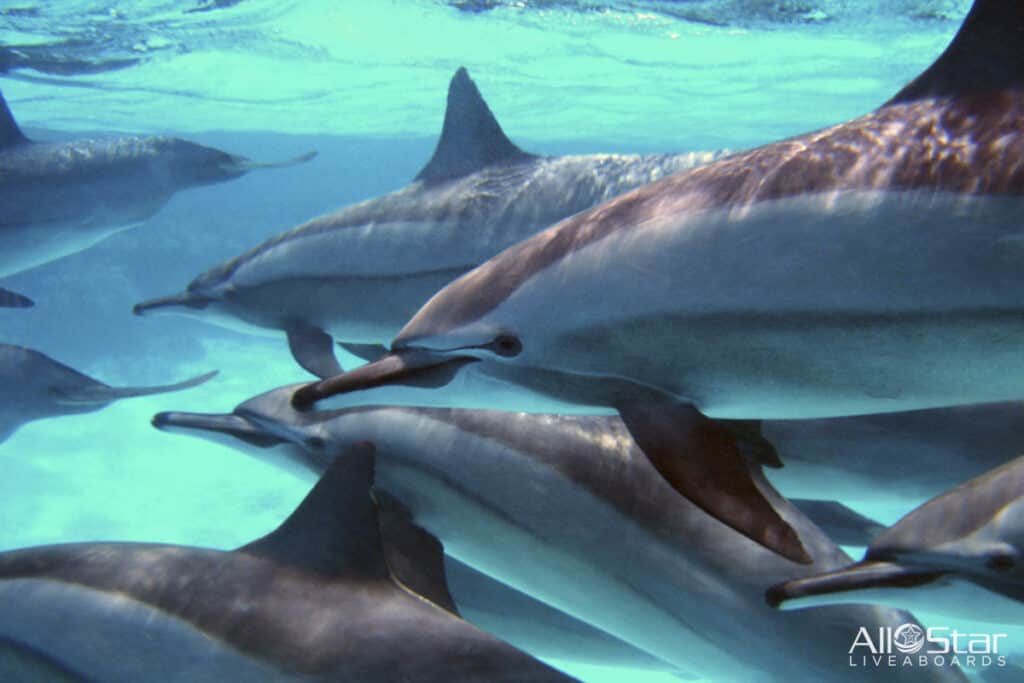
- Shaab Sataya – Home to a resident pod of dolphins.
- Cave Reef – A maze of caverns and tunnels.
- Gota Soraya and Habili Ali – Walls and pinnacles teeming with fish life.
Rocky Island and Zabargad
These remote islands offer dramatic walls, strong currents, and excellent chances for shark sightings. Zabargad also has a shallow wreck, The Khanka (aka the Russian Wreck), and is famous for its beautiful coral gardens.
Marine Life in the South
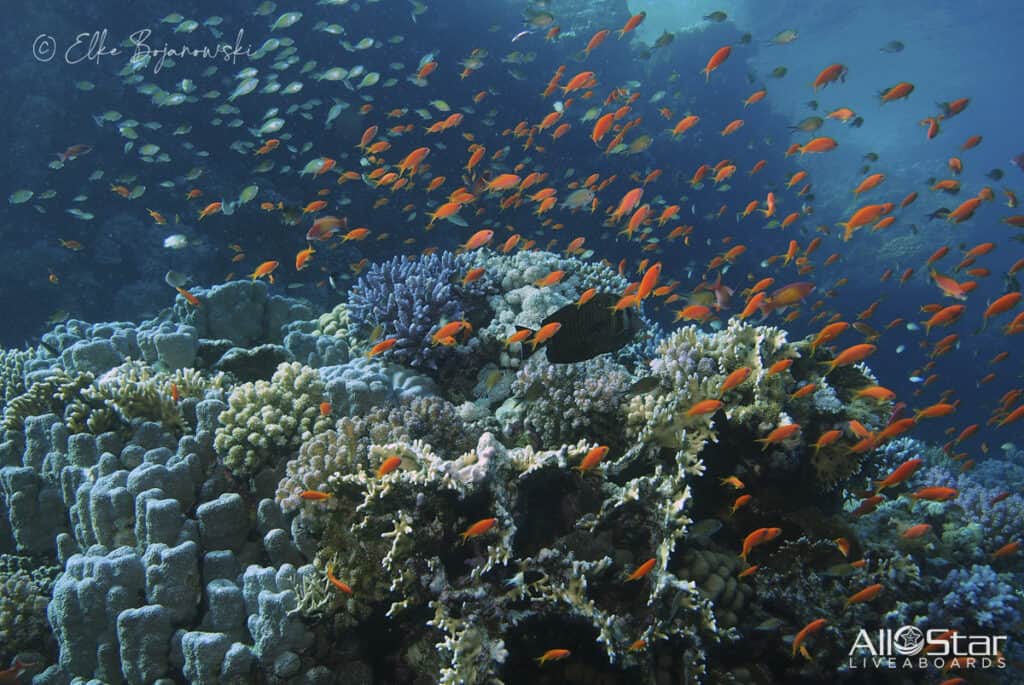
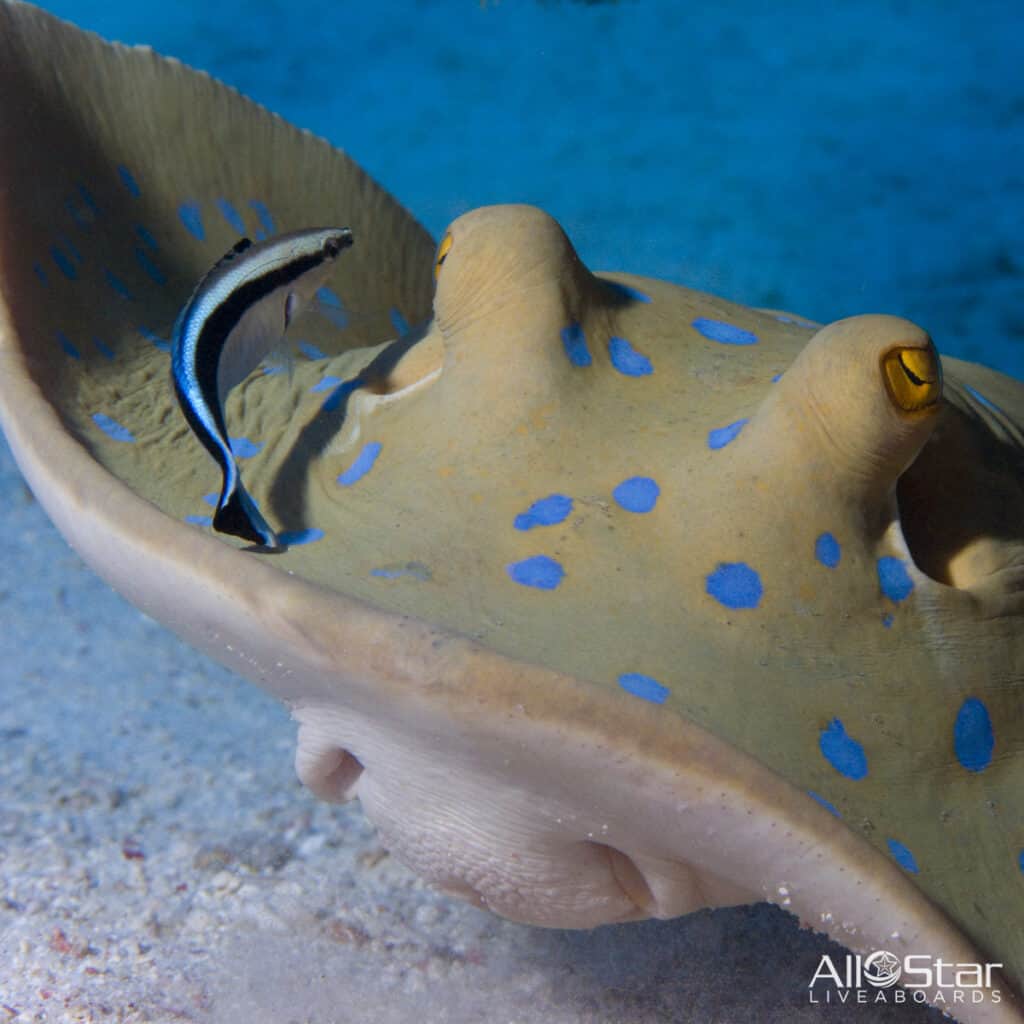
Divers have the chance to see hammerheads, grey reef sharks, tuna, barracuda, and even manta rays during peak season. The reefs are rich in macro life, with healthy coral growth thanks to the remote location.
The Ultimate Red Sea Itinerary
Itineraries That Explore the Best of the Red Sea
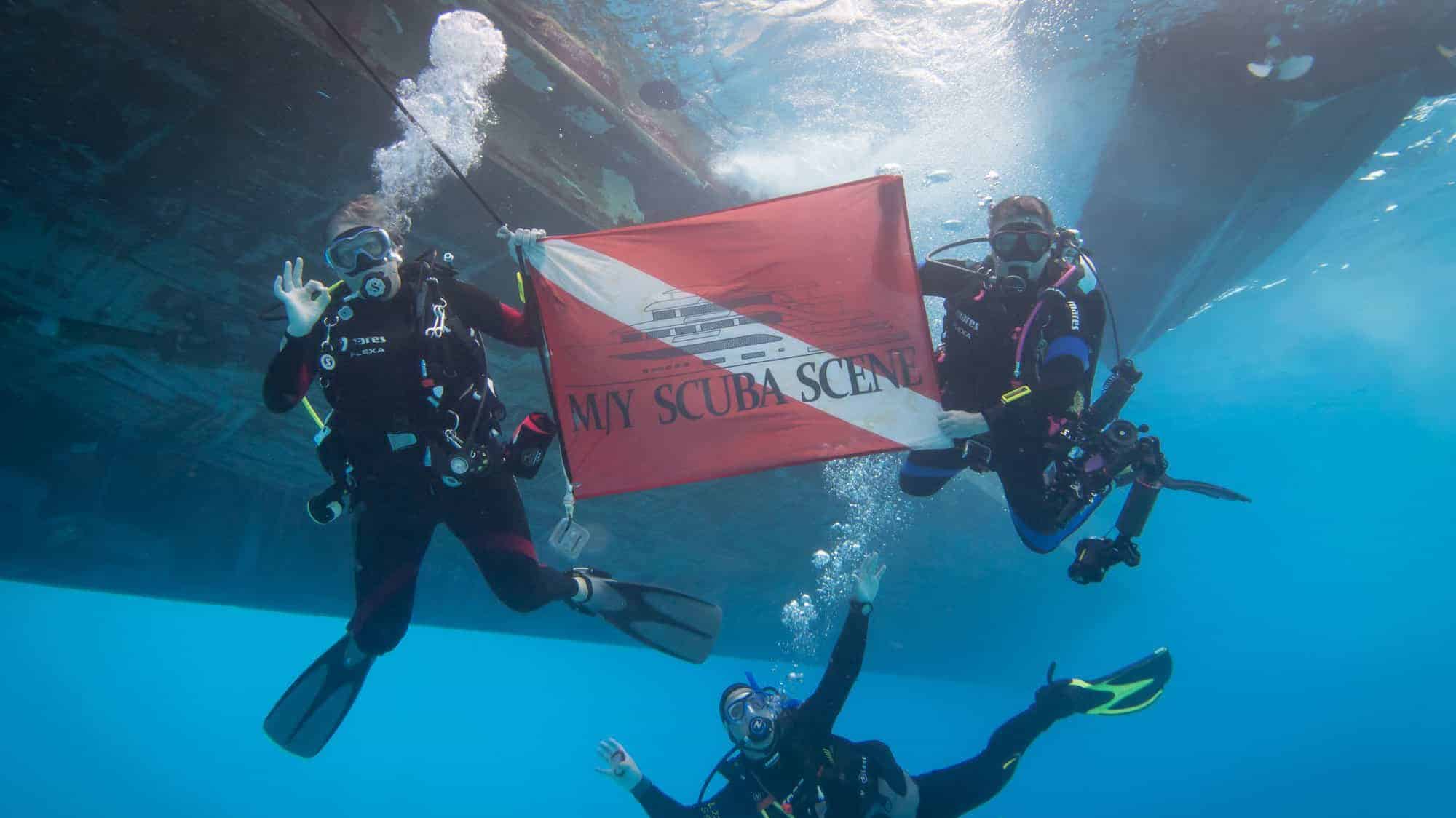
From the iconic wrecks of the north to the pristine reefs of the deep south, All Star Scuba Scene offers a wide range of itineraries designed for all levels of divers. Whether you’re intrigued by WWII wrecks like the Thistlegorm and Rosalie Moller, or you’re chasing pelagics around remote pinnacles like Daedalus Reef, All Star Scuba Scene has a route for you.
For those who want it all, the Ultimate Red Sea two-week itinerary is the crown jewel. This comprehensive expedition includes:
- Daedalus Reef – home of schooling hammerheads and breathtaking wall dives.
- Rocky Island & Zabargad – remote, rarely visited, and teeming with life.
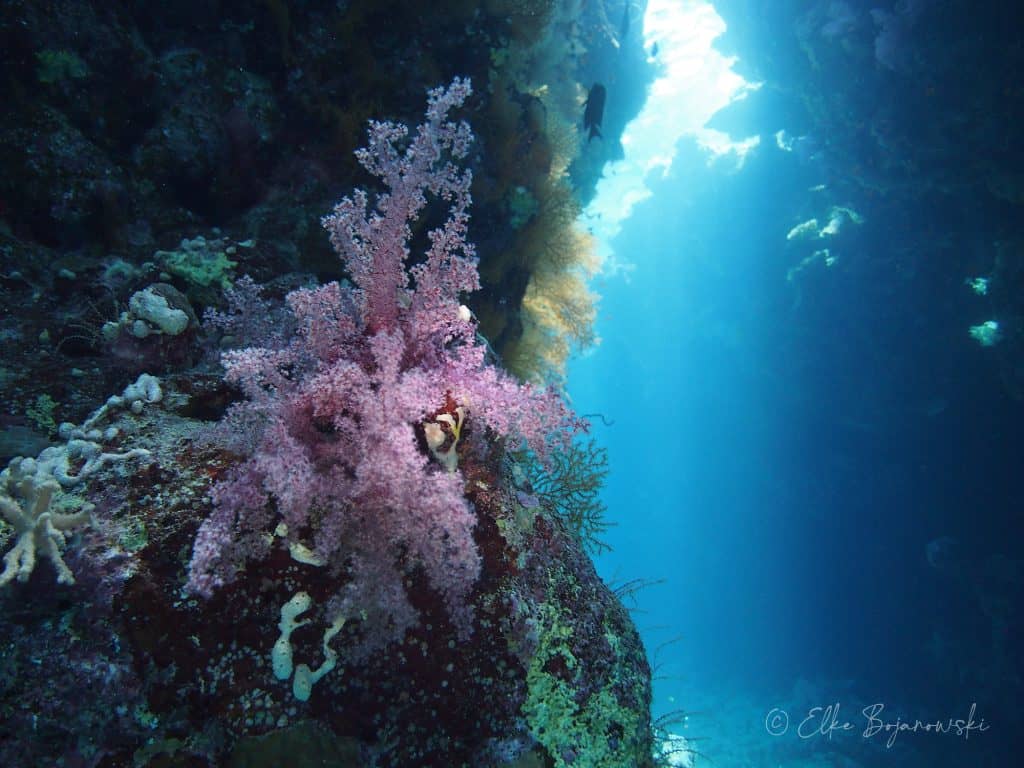
- St. John’s Caves – a labyrinth of light-filled swim-throughs and coral gardens.
- Elphinstone Reef – famous for oceanic whitetip shark encounters.
- Brothers Islands – dramatic drop-offs, pelagic life, and stunning soft corals.
- Northern Reefs – the Thistlegorm and Giannis D wrecks, Ras Mohammed’s vivid walls.
- Spawning season in the Strait of Tiran – timed to witness the magic of nature’s rhythms.
This route is ideal for serious divers looking to check off the full Red Sea bucket list—with ample support for both recreational and technical dive profiles.
Shark Week Itineraries in the Red Sea
Join our special Shark Week itineraries aboard All Star Scuba Scene, hosted by our cruise director, Dr. Elke Bojanowski, founder of the Red Sea Sharks Trust. Throughout the trip, Dr. Elke shares fascinating lectures on shark conservation, including the threats they face, how populations have changed, and insights into migration patterns. Using photo identification, she has contributed greatly to shark research—and you can too. Guests are encouraged to submit their shark photos, helping track individual animals and contributing to ongoing scientific efforts to protect these incredible species. These weeks are scheduled during the peak of shark season with a chance to see oceanic whitetips, hammerheads, thresher, and grey reef sharks.
Diving from Hurghada and Beyond
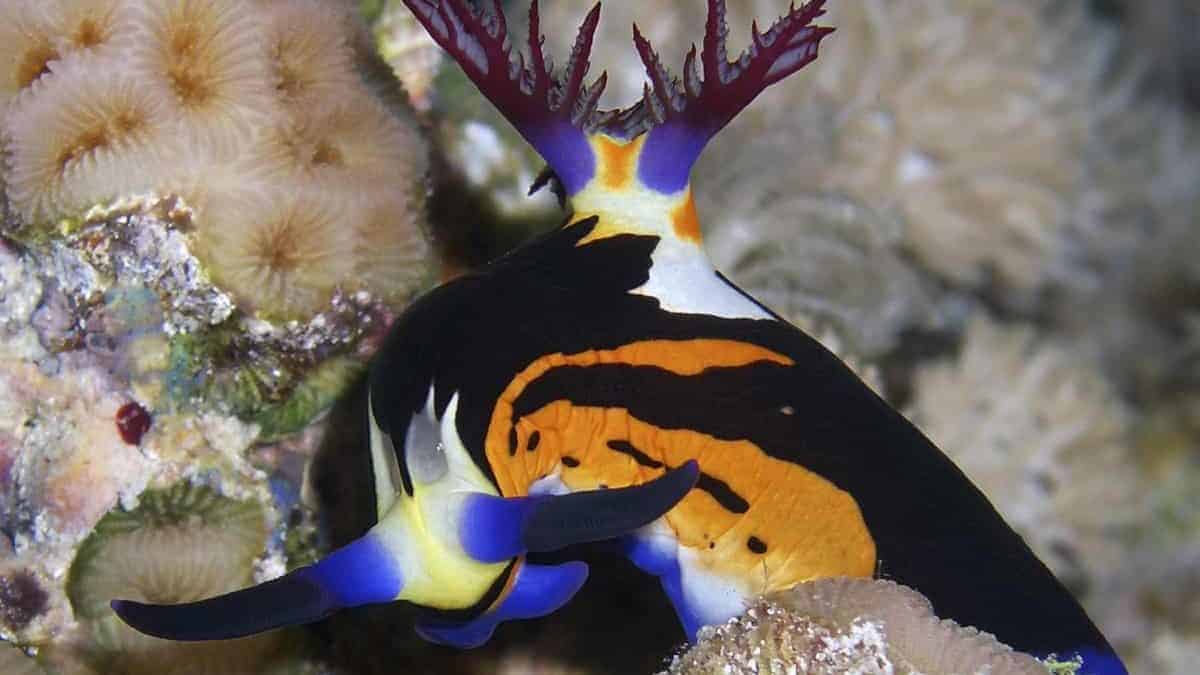
Many itineraries begin and end with dives near Hurghada, at sites like Gota Abu Ramada, which is excellent for macro critters such as nudibranchs, pipefish, and cleaner shrimp. Night dives here may reveal the elusive Spanish dancer nudibranch.
Although diving hubs like Marsa Alam and Sharm El Sheikh are popular, most liveaboard itineraries avoid these heavily day-boat-dived areas, focusing instead on the offshore and southern regions for a more exclusive experience.
Which is the Best Red Sea Liveaboard Itinerary for You?
- Choose the North if you want wrecks, reefs, and night dives with a mix of history and marine life. Great for divers of all levels.
- Choose BDE (Central Red Sea) if you’re seeking shark encounters, big pelagics, and dramatic walls. Best for advanced divers comfortable with deeper dives.
- Choose the Deep South if you crave remote, pristine reefs, dolphins, hammerheads, and stunning topography. Perfect for adventurous divers who love exploration.
Important Note
Since reefs like Daedalus and Brothers are so large, liveaboards often dive the same site across multiple dives or days. For example, one dive might cover the northern plateau, another the east wall, and another the southern tip. While some divers may find the repetition less exciting, the thrill lies in spotting sharks and pelagics—which often appear unexpectedly.
For sample itineraries and photos of All Star Scuba Scene visit our media page.